







Search Results for: user experience
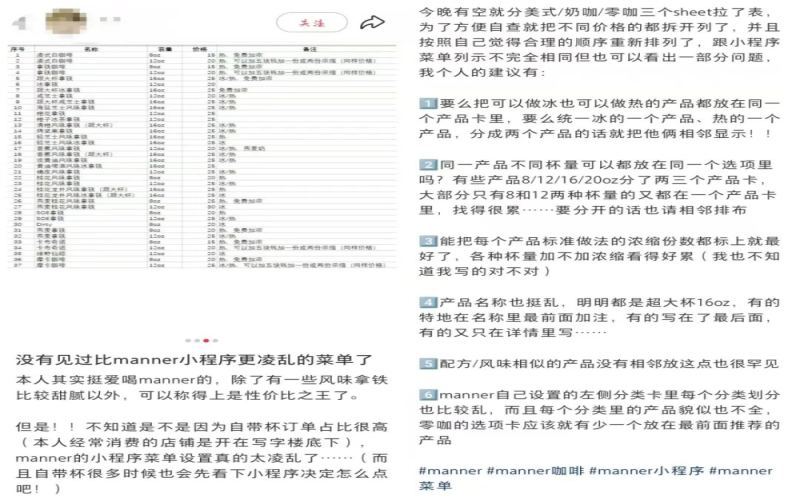
Manner's mini-program menu has been criticized for its chaotic layout, with users calling on the company to improve the ordering experience.
Today, when chain coffee brands commonly use mini-programs for ordering, the clarity of the menu interface directly affects consumers' purchasing efficiency. However, recently, a long-time Manner customer who brings their own cup posted a complaint on social media about the messy layout of its mini-program menu, which quickly resonated with a large number of users. The user even made a homemade Excel spreadsheet to compare and organize product information, pointing out that the same drink is split into multiple product cards due to factors such as cup size and hot or iced, and scattered across different categories, making it difficult to find. Not only do customers feel troubled, but some Manner employees also admit that the ordering system is easily confusing. In addition, the mini-program also has problems such as store sorting not being by distance and cumbersome agreement checkboxes. This article will sort out in detail the specific content of this user feedback and the reactions from all sides, and explore the impact of menu design on the coffee consumption experience. [more…]
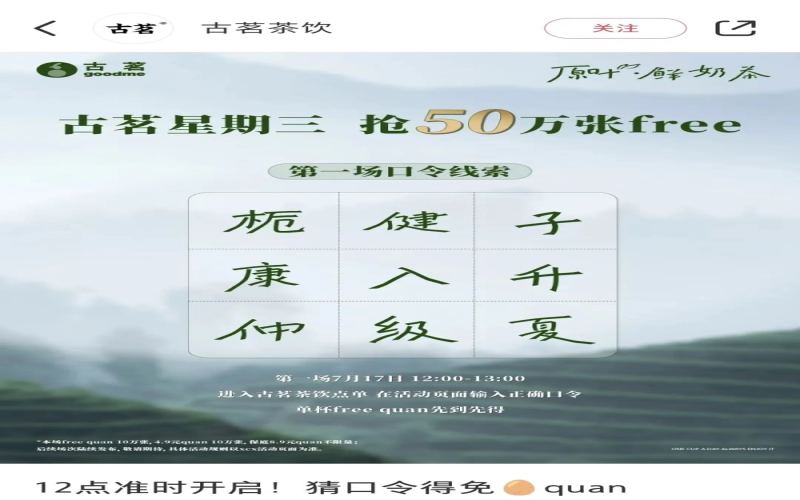
Guming's free-order event mini-program crashed for nearly half an hour, and the user experience of grabbing coupons sparked a flood of complaints.
Tea beverage brand Gu Ming recently launched a 9.9 yuan milk tea unlimited drinking promotion, and starting today, it is distributing 500,000 free vouchers at scheduled times through its mini-program, adding momentum to the campaign. However, after a large number of consumers entered the activity page right at 12 o'clock, they encountered long periods of blank screens and crashes in the mini-program, and related topics once topped the trending searches. According to user feedback, the mini-program had already begun lagging a few minutes before the event started, and after 12 o'clock the server went down for nearly half an hour due to a sudden influx of a large number of requests; even repeatedly refreshing or switching to the computer version made it difficult to load. This is not the first time Gu Ming's mini-program has had problems during popular activities. Long-time users said that previous limited-time activities such as buy-one-get-one-free also often encountered interface crashes, and although they reported poor experiences many times, no obvious improvement was seen. [more…]
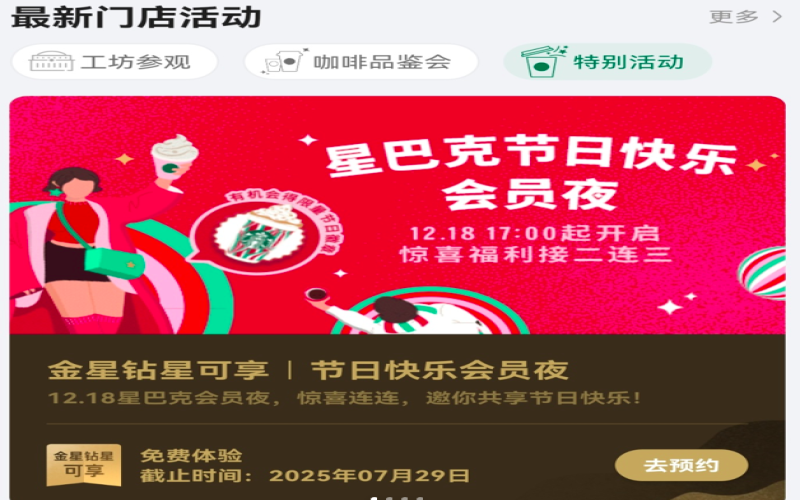
Starbucks member night events offer uneven experiences, with Gold and Diamond users complaining about big gaps in store execution.
Starbucks recently launched a Happy Holiday Member Night event for Gold and Diamond members, allowing eligible users to book free in-store participation through the official App. However, after the event ended, a large number of feedback posts appeared on social platforms, with many members calling the experience extremely poor: the new product tasting consisted of only one mini drink, limited-edition badges were in short supply, the coffee lecture and interactive games were simply canceled, and there were no discounts on merchandise purchases either. Some participants also pointed out that the quality of the event varied by store, and stores that attached greater importance to it still delivered a decent holiday experience. Starbucks employees, meanwhile, revealed that rushed preparation, insufficient bookings, and last-minute situations could all dilute the effectiveness of the event. Why did this member event receive such polarized reviews? This article will sort through feedback from all sides and the reasons behind it. [more…]
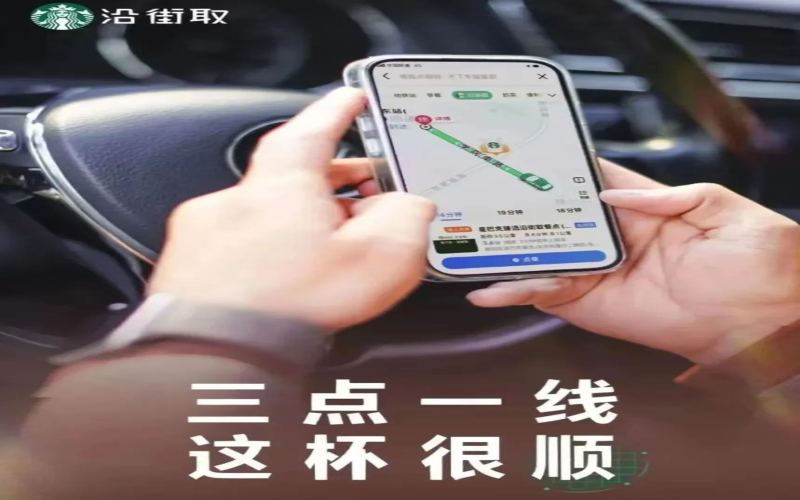
Starbucks curbside pickup service tested: National Day promotion prize shortages and ordering difficulties spark user complaints
Since its launch in March this year, the "curbside pickup" service jointly introduced by Starbucks and Amap has aimed to provide a convenient coffee-buying experience for drivers and passengers during rush hour and on busy roads. However, a special promotion during the National Day holiday sparked considerable controversy. Due to limited stock, many customers were unable to get the cute pet tote bag offered as a gift in the campaign; at the same time, the ordering system had problems such as inaccurate route matching and closed stores still being able to accept orders, greatly reducing the user experience. In addition, the extra 3 yuan service fee also made some users feel it was unreasonable. Although Starbucks hoped to use this service to expand into new scenarios, the various inconveniences in actual operation led many netizens to question whether it was adequately prepared. This article will sort out the highlights of the campaign and user feedback in detail, and explore room for improvement in the curbside pickup service. [more…]

Starbucks Rewards upgrades to Diamond tier membership, new benefits spark heated discussion among users
Since Starbucks launched its Rewards program in 2008, membership tiers had maintained a three-level structure: Green, Gold, and Silver. However, starting June 20, this system, which had been in use for over a decade, underwent a major change—a new Diamond tier was added, and Gold members who accumulate 100 registered stars within the past year can automatically upgrade. The new tier brings benefits such as priority preparation for Mobile Order & Pay, birthday-exclusive gifts, and free Roastery experiences, and also launches a joint membership with Hilton. However, some loyal users have questioned the practicality of these new benefits, believing the threshold is too high and the reach is limited. This article will comprehensively review the details of this adjustment and the feedback from various parties. [more…]
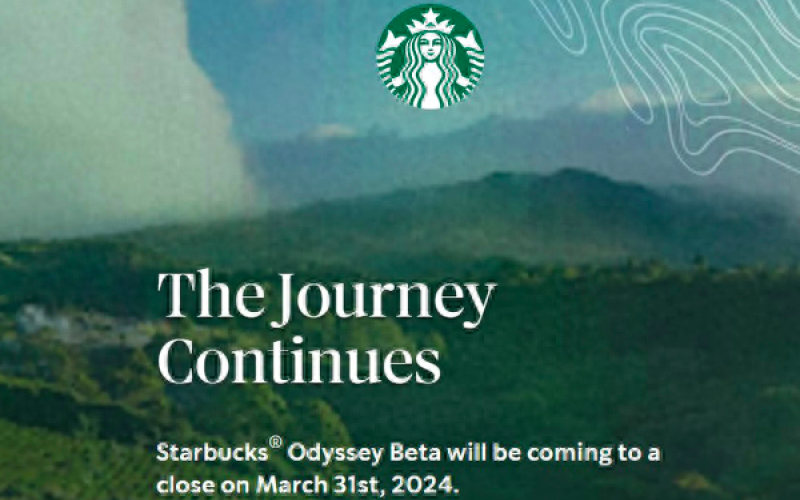
Starbucks' Odyssey NFT platform shuts down after just two years of operation, dealing a setback to its exploration of a digital third place.
Starbucks recently announced that it will shut down its Odyssey NFT test platform on March 31, a decision made just two years after the program's high-profile launch. Odyssey NFT had originally been expected to accomplish much, aiming to deeply integrate emerging NFT technology with the traditional loyalty program Starbucks Rewards, offering users substantive rewards ranging from virtual coffee courses to visits to coffee estates, and even allowing users to trade and cash out on the secondary market. However, the platform's sudden shutdown has left the industry and users quite surprised. Does this mean Starbucks will completely withdraw from Web3.0 exploration? This article sorts through the rise and fall of Odyssey NFT and follows Starbucks' subsequent moves in digital innovation. [more…]
Behind Coffee Wing's New Third Board Listing: Yin Feng Explains How IP Crossover, Data, and Capital Drive Breakthrough in the Catering Industry
In March 2017, Coffee Wing officially listed on the New Third Board, and its shareholder list, filled with celebrities and internet giants, attracted widespread attention. At a sharing session hosted by Catering O2O, founder Yin Feng delivered a speech titled "The Capital Path of Cross-Border Catering Driven by Data and IP," systematically explaining the consumer changes in the Catering 3.0 era, the timing for going public, two strategic approaches, and Coffee Wing's business strategy centered on "IP, cross-border, data, and capital." This article presents the full essence of Yin Feng's speech, covering catering industry trends, brand building, user operations, and marketing innovation, offering in-depth reference for coffee enthusiasts and catering professionals. [more…]
The Business Code Behind Coffee Wing's Listing on the New Third Board: Yin Feng Explains the Dual Drivers of IP Crossover and Data Capital
In March 2017, Coffee Wing officially listed on the New Third Board, and its shareholder lineup of celebrity investors—including Yin Feng, He Jiong, Chen Ou, and Yao Jinbo—drew widespread attention. As a benchmark case of cross-industry dining, what exactly has enabled Coffee Wing to achieve sustained growth? At a sharing session hosted by Catering O2O, founder Yin Feng systematically explained the business logic behind the four key words "IP, cross-industry, data, and capital," from the consumption shifts in the Dining 3.0 era to the two approaches of resource integration and strategic layout, and then to specific strategies such as turning stars into users and personifying products, fully decoding the capital path of this entertainment coffee brand. [more…]
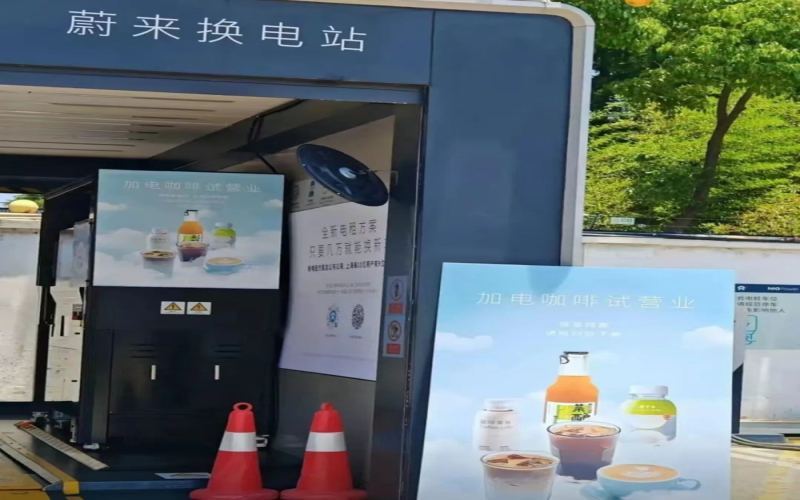
NIO Power Swap Stations Launch Freshly Ground Coffee Service: Robotic Arms Deliver Drinks to Car Windows, Shanghai Pilot Sparks Heated Discussion Among Owners
As early as 2022, the new energy vehicle brand NIO created its own coffee brand to offer exclusive beverages to customers visiting its stores. Recently, some owners have discovered that this coffee service has expanded from the stores to battery swap stations, where fully automatic coffee machines have been installed and are in the testing phase. After users place orders via a mobile mini-program, the coffee is precisely delivered by a robotic arm to the driver's window, while bottled drinks are handed over by staff. Currently, only the Minxin Tea City battery swap station in Shanghai is running a trial of "charging coffee," and the brand says it will adjust the equipment based on feedback and may expand it nationwide in the future. This cross-industry service has drawn praise from car owners and also sparked discussions about safety and scenario expansion. [more…]

Starbucks red cup distribution standards vary: some get them for free while others who buy more are denied, global users call for fair treatment
Every November, Starbucks red cups arrive as scheduled, becoming a tacit year-end ritual between fans and the brand. However, this year's Red Cup Day sparked controversy due to inconsistent execution standards across stores: some locations handed out the limited-edition cups freely and at random, while others imposed strict limits, refusing to give an extra cup even if you bought an additional drink. This left rule-abiding customers confused and feeling unfairly treated, and users back in China also called on the brand to treat everyone equally worldwide. This article takes you through the distribution chaos and customer sentiment behind this year's red cups. [more…]
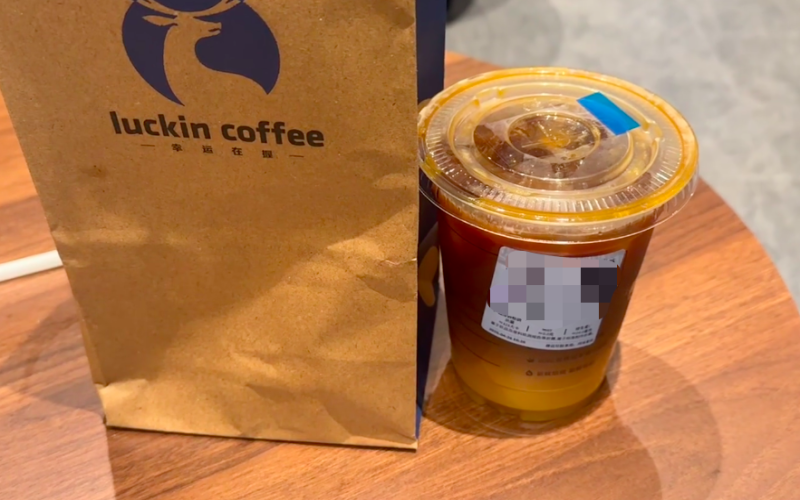
Same Cup of Coffee Costs Members More? Luckin Mini Program Accused of Differential Pricing Sparks Heated Debate
At the same Luckin Coffee store, for the same drink, different users may see prices on the mini-program that differ by several yuan—and paid members may even be charged more than regular users. Recently, some consumers told the media that they suspected they had been subjected to "big data price discrimination" when buying drinks at Luckin. A reporter's investigation found that the system pushes different coupons to different accounts, resulting in "a different price for the same cup of coffee for each person." This phenomenon has struck a chord with many netizens and sparked widespread complaints, prompting people to re-examine the value of loyalty programs offered by chain coffee brands. [more…]
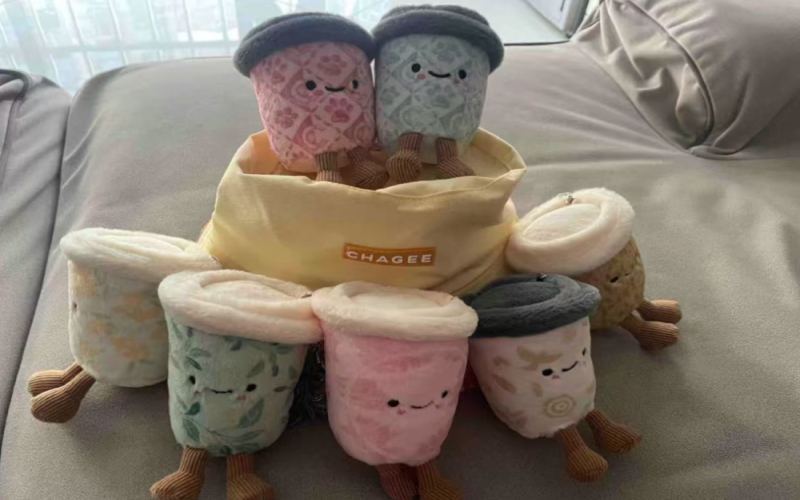
Bawang Chaji blind box dolls were opened in advance, and consumers question whether the store's actions are compliant.
The Jellycat-style milk tea cup plush blind boxes launched by Chagee have seen a surge in popularity recently, with limited-edition sets selling out in many places shortly after going on sale. However, some consumers discovered upon picking up their orders in-store that the blind boxes they received had already been opened by staff in advance, turning them into "open boxes" with the contents fully visible. Some stores explained that this was done out of a need for quality inspection, but many users were not convinced, suspecting that someone had deliberately opened the boxes to screen for popular styles. Once a blind box loses the surprise of the unknown, the fairness of the campaign and the consumer experience are called into question. Amid this box-opening controversy, brand employees have also offered their own accounts, with both sides sticking to their stories, keeping the incident simmering. [more…]
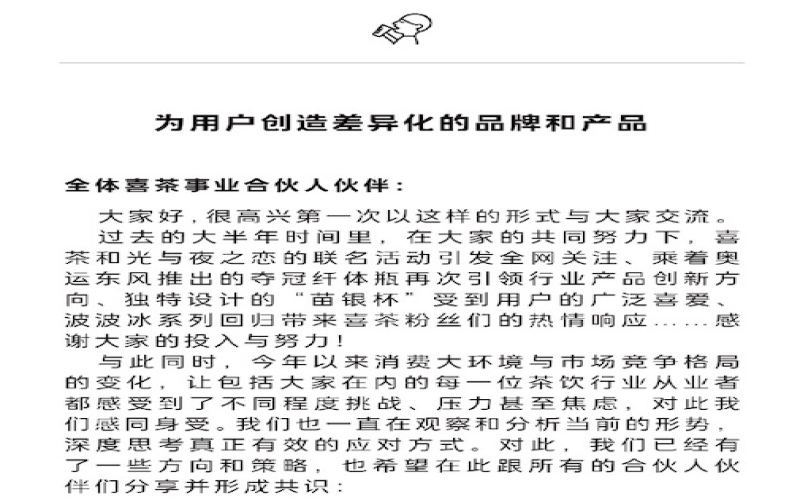
HEYTEA's Internal Letter to Partners: Breaking Through with Differentiation, Rejecting Homogenization and Cutthroat Price Wars
On September 18, Heytea sent an internal letter titled "Creating Differentiated Brands and Products for Users" to its business partners, directly addressing the increasingly fierce homogenized competition and low-price involution in the tea beverage industry. The letter proposed "creating differentiated products and brand experiences for users to the utmost" as the direction for breaking through, explicitly stating it would not follow popular categories, not engage in pure low-price competition, and would control the pace of store openings and focus on operational quality. However, netizens had mixed reactions: some supported the differentiation strategy, while others complained about weak product innovation and declining quality. Can Heytea win back consumers with this strategy? This article will sort out the key points of the internal letter and voices from all sides. [more…]
How Is Brewing Tea in a Gaiwan Different from Brewing in a Teapot? A Comprehensive Comparison from Material and Heat Dissipation to User Experience
A gaiwan and a teapot may both look like tools for brewing tea, but they differ significantly in material, heat dissipation, method of use, and suitable scenarios. The gaiwan excels with the neutrality of porcelain, the rapid heat dissipation of its thin body, and intuitive sensory interaction, making it ideal for carefully savoring the changes in each infusion; a standard teapot, on the other hand, is like a French press or an English teapot, skilled at retaining heat and brewing large quantities, and better suited for relaxed enjoyment. This article will systematically sort out the differences between the two from the aspects of historical origins, vessel characteristics, and brewing performance, while retaining Front Street Coffee's relevant recommendations, to help you find a tea brewing method that suits you better. [more…]
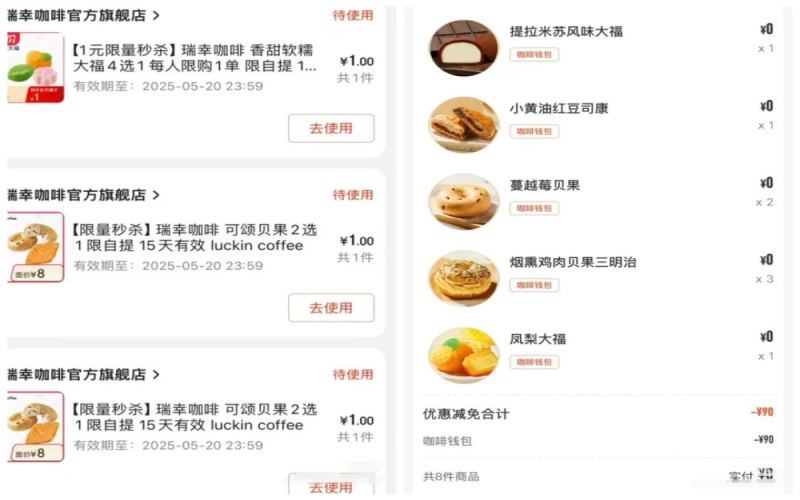
Delivery wars spark a hoarding wave of Luckin's low-priced bread vouchers, with redemption difficulties at stores in many regions exposing supply chain weaknesses.
Competition among food delivery platforms has escalated into a battle of three giants, chain brands' average order values continue to decline, and Luckin's timely launch of low-priced bread vouchers has triggered a frenzy of stockpiling among consumers. However, when users take their electronic vouchers to stores for redemption, they find that baked goods at nearby stores are largely sold out, with some cities even reporting no stock citywide. This buying spree, fueled by platform subsidies, not only reflects consumers' strong demand for high-value-for-money coffee companions but also exposes brands' disconnect between demand forecasting and supply chain response. Staff explained that the thawing process and delivery cycle are the two main reasons for the redemption difficulties. For enthusiasts who love pairing coffee with baked goods, Front Street Coffee has always advocated balancing rational consumption with quality experience, and suggests paying attention to store inventory dynamics and arranging redemption times reasonably. [more…]

Dai Wei's U.S. Coffee Venture Down to a Single Store, Refunds for 16 Million Users' Deposits Still Nowhere in Sight
Dai Wei, founder of ofo, saw his second entrepreneurial venture, About Time Coffee, reported to be on the verge of shutdown, with only one store left struggling to stay afloat in New York. This coffee chain brand, which once entered the US market with high cost-effectiveness and innovative products, expanded from five stores to four permanently closed in less than two years. Dai Wei tried to replicate Luckin Coffee's "burn money" playbook overseas but encountered difficulties adapting to local conditions. Meanwhile, more than 16 million users in China are still queuing to get their ofo deposits refunded, involving an amount as high as 1.5 billion yuan. The failure of this cross-industry entrepreneur once again brings public attention back to that unsettled debt and raises the question: is coffee entrepreneurship a trend or a trap? Front Street Coffee takes you through an in-depth analysis of the rise and fall of this cross-border venture. [more…]
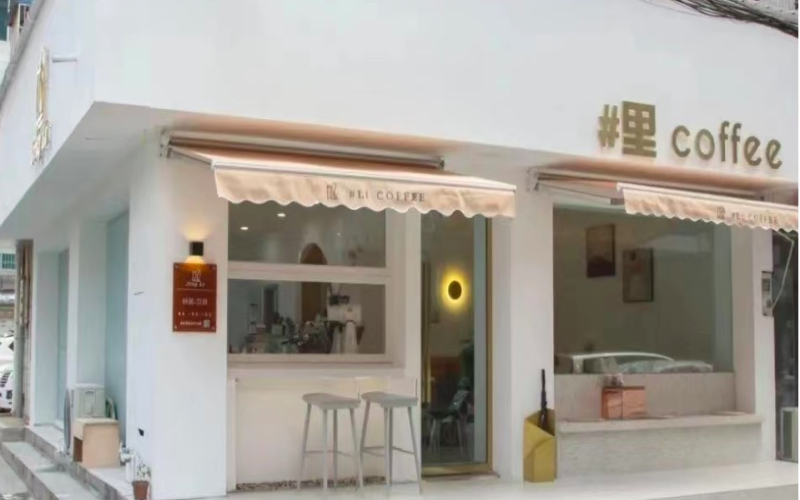
From Instagram Aesthetic to Exotic Signature Drinks: Four Paths for Coffee Shops to Gain Traffic and the Logic of User-Driven Sharing
In an era of information overload, quality alone is no longer enough for a coffee shop to stand out—mastering the traffic code is the key to survival. From the earliest Instagram-style décor, to the contrasting scenes of coffee being sold in temples and breakfast shops, to novelty drinks like chili Americano and soy sauce latte, the coffee industry's traffic tactics keep escalating. Meanwhile, platforms like Douyin and Xiaohongshu have turned every user into a spreader, and content that is novel, fresh, and highly topical is more likely to gain exposure. This article sorts out several typical paths for coffee shops to gain traffic, analyzes the logic behind spontaneous user sharing, and recommends related products from Front Street Coffee, offering coffee lovers a new perspective on the industry. [more…]

Starbucks China Teams Up with Amap to Launch "Roadside Pickup": Can Curbside Pickup Solve the Parking Problem for Order Collection?
For drivers who want a cup of coffee, the biggest headache is often not placing the order, but finding a parking space. Parking on the roadside risks a ticket, while entering a parking lot feels like too much hassle—a dilemma that has given rise to a new way of thinking. Starbucks China recently partnered with Amap to pilot a "curbside pickup" service at selected stores in Beijing and Shanghai: users plan their route and place an order in advance, and a barista waits at a designated roadside spot, so the drink can be collected as soon as the car arrives. This feature saves more time on parking and queuing than the traditional "drive-thru," but it requires an extra service fee and currently covers only about 150 stores. Can it truly solve the pain point of meal pickup for commuters, and what challenges will it bring to store operations? This article takes you through a closer look. [more…]
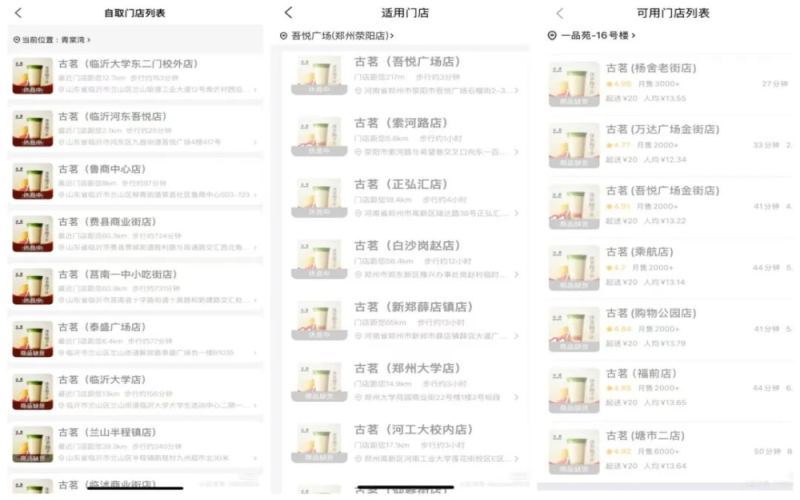
Delivery platform's "buy for 0 yuan" promotion caused abnormal online status at Guming stores, sparking controversy as consumers struggle to redeem coupons
A new round of subsidy battles on delivery platforms has once again ignited the tea beverage market, with Meituan handing out large numbers of tea drink vouchers, while Ele.me and Taobao Flash Sale fight back with hefty discounts. However, after claiming the vouchers, many consumers found that Goodme stores in Shenzhen, Xi'an, Chengdu, Nanning, and other places showed as "resting/closed" or out of stock on third-party platforms, making it impossible to redeem normally. Interestingly, the same stores were still open on the official mini-program, and products included in the promotion, such as lemonade, could still be ordered. The contradiction between stores actually being overwhelmed with orders and appearing "closed" online has led many to speculate that this is a measure taken by the brand to ease order pressure. Consumers have expressed dissatisfaction over the chaotic promotion, orders being automatically canceled, and no stock upon arrival at stores. Front Street Coffee continues to follow industry developments and brings in-depth observations. [more…]
2023 Coffee Consumer Insights and Store Opening Strategy: Four Core Customer Groups and Store Layout from a Data Perspective
Latest data from Meituan shows that coffee delivery orders have more than doubled year-on-year, with post-90s women becoming the main consumer group for freshly made coffee, and the 20-40 yuan price range dominating. Based on platform data, this article provides an in-depth analysis of the four core consumer groups in the current coffee market—from user profiles and price acceptance to time distribution and motivations for visiting stores—and, combined with the emerging trend of coffee rising in county towns, offers practical suggestions for coffee shop entrepreneurs in 2023 on site selection, operations, and scene design. At the same time, the article retains recommendations for specialty coffee bean procurement channels for practitioners' reference. [more…]